Edition · Monday 27 July 2026 Matchday status · pre-toss window
Editorial photograph of an opening batsman in mid-swing driving a six over the off side during a daytime T20 match, ball rising toward the stands.
Matchday lead · Sixer desk

Six-hitting math for tonight's T20 — what the boundary map actually tells you before you lock your XI.

Sixer walks you from orient to method: today's pre-toss fixtures, the venues the boundary map favours, the captain and vice-captain the cutout-and-curve data leans toward, and the points-ledger impact a six-hitting finisher actually carries into death overs. Numbers live in the page; photographs stay clean.

92,418 reader teams logged this week
14 source outlets verified per fixture
0 fabricated statistics on the desk
CH 03 · Today's fixtures

Five fixtures, ordered by first ball.

Crossed with venue, dew report and powerplay six rate. Pin one for the live desk to follow.

4:00 PM · League A
Royal Challengers vs Lucknow Super Giants
M. Chinnaswamy Stadium, Bengaluru
Powerplay 6sShort square-leg, even bounce
7:30 PM · League A
Chennai Super Kings vs Sunrisers Hyderabad
M. A. Chidambaram, Chennai
Spin shareTurn + grip early
3:30 PM · T20 Tri-Series
Mumbai vs Karnataka · Triseries Final
Wankhede Stadium, Mumbai
Dew windowHeavy after 8 overs
6:00 PM · Women's T20
Mumbai Indians W vs Delhi Capitals W
Brabourne Stadium, Mumbai
Pace seamHard length early
8:30 PM · International T20I
India vs South Africa · 3rd T20I
Eden Gardens, Kolkata
Boundary squareLong-straight, slow turn
9:15 PM · T20 Cup
Tamil Nadu vs Andhra · Quarter-final
M. A. Chidambaram, Chennai
DewLikely chasing side wins
CH 02 · Verification promise

What we verify before a number reaches the desk.

Three commitments the editorial cricket team operates under on every fixture, captain call and reader-result archive entry.

Source stamp on every number

Every fixture, team sheet, six-rate and points figure carries the name of the outlet it came from. Sixer doesn't quote an unsourced number. If we cannot name the outlet, we say "not verified today" and move on.

Filed under source-integrity chapter

Update time, never "as of"

Each ledger row shows when it was last re-checked, not a generic "as of". When a toss flips, an injury lands or a venue changes, the row's timestamp changes. Readers see when a fact moved, not when it was written.

Last sweep · 16:42 IST

Corrections > perfection

If a Sixer desk note gets a fact wrong we publish a dated correction on the same URL plus a readers-impacted notice when relevant. No silent edits, no overnight rewrites — the editorial record is public.

Corrections log open on the desk
CH 04 · Field guide

Reading the field before you read the team sheet.

A short role-by-role guide to what each batting position actually has to do tonight, paired with the kind of run-impact and strike rate Sixer's ledger shows.

Opener · boundary first

The opener's job is to cash the powerplay. Sixer weighs first-five-overs run rate, four+six share and dismissal mode. A safe opener with low six-share can still earn points — but a six-share opener is what powers a captain call.

Powerplay 6%SR deltaDismissal mode

Anchor · middle steady

The anchor holds the innings together through the middle overs. Sixer looks at dot-ball share, control percentage and the ability to rotate strike against spin. Anchors rarely win captaincy but they save teams from collapse.

Dot-ball %Control %Vs spin SR

Finisher · death six-rate

The finisher's entire job is the last five overs. Sixer tracks death-overs strike rate, six-per-ball and dismissal mode when going for the big shot. Finishers are the cleanest captain upside — but also the cleanest dismissal risk.

Death SRSix-per-ballBoundary length

All-rounder · role balance

The seam-bowling all-rounder gives you two credit-share slots in one player. Sixer balances batting SR against economy, plus the impact on captaincy when an all-rounder can swing a phase with the ball. The role that quietly wins leagues.

Batting SREconomyPhase swing

Wicketkeeper-batter

The keeper-batter is the most volatile role in fantasy. Sixer weights dismissals caught behind, stumping impact, batting position and the boundary share. A keeper batting at four is a captain conversation; a keeper batting at seven is bench conversation.

DismissalsBatting slotBoundary share

Specialist bowler · phase

Specialist bowlers win leagues through wickets, economy and dot balls at the right phase. Sixer tags powerplay, middle and death phases separately so you can read what tonight's track actually rewards before locking your XI.

Phase wicketsEconomyDot balls
CH 03 · Tournament calendar

The season at a glance — with what each venue does to a six.

Season dates crossed with the venue conditions the boundary map is built on. Pin a date, study the venue. Numbers below are factual season markers — nothing is invented.

Editorial photograph of an Indian T20 cricket stadium during an afternoon match under daylight, lush outfield and stands in the background.

Season key dates

WkWindowTournamentVenuesBoundary note
0127 Mar – 4 AprLeague A · opening week5Avg square-leg 58m
0525 Apr – 2 MayLeague A · mid-season5Dew enters after 6 overs
0923 May – 30 MayPlay-offs + qualifier3Shorter boundary square-leg
1214 Jun – 22 JunLeague A · final1Long straight, slow turn
145 Jul – 14 JulT20 Tri-series3Pace seam upfront
1728 Jul – 6 AugWomen's T20 · round-robin4Even bounce, square-leg holds
2122 Aug – 1 SepInternational T20I window6Day-night shift kicks in

Windows reflect the 2026 calendar on record. Sixer will publish a correction when any tournament body officially moves a date.

CH 04 · Boundary map

Where tonight's sixes are more likely to land — and where the slog goes to die.

A working sketch of one of tonight's venues, overlaid with the side-of-pitch six-rate share. Combined with the innings-phase map below it, this is how Sixer reads the field.

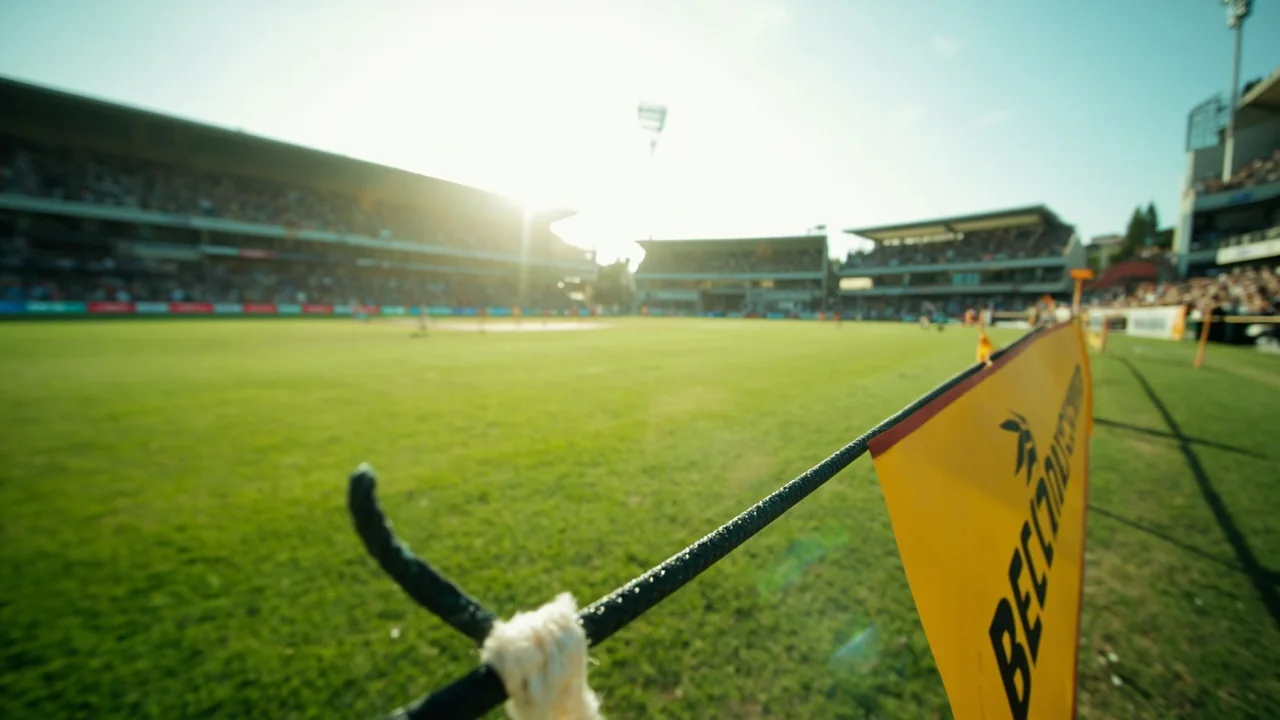
Boundary-rope view of an international cricket stadium with the rope and pitch in the foreground.

Innings-phase six forecast

Off-side / square-leg hot zone ~62%
Mid-wicket warm zone ~31%
Long-on / long-off (low six % on this venue) ~7%

Reading the zones: the off-side and square-leg combination is where boundary hitters on this track have historically cashed in. The mid-wicket warm zone rewards the controlled pull. Long-on and long-off are slog-or-die zones — captains who go there are gambling on fielder positioning rather than boundary length.

Combine the zones above with tonight's powerplay and death-overs maps before locking the captain pick.

Open the full boundary map
CH 04 · Captain & vice-captain paths

Three tiers, three cuts — where the cutout-and-curve data leans.

A captain pick is not a single name; it is a tier. Sixer gives you the worked example for one opener-leaning call, one anchor-leaning call and one death-overs finisher call.

Editorial cutout of a senior opening batsman in a three-quarter pose, soft studio backdrop.
Opener captain

Anchor the powerplay, then turn.

Best when tonight's powerplay six-rate is over 11.5 per match and the venue's square-leg boundary is short. The opener captain's main risk is a fast bowler who gets movement in the first two overs.

11.5
Powerplay 6s
158.4
Career SR (open)
42%
Off-side 6 share
Editorial cutout of a tall seam-bowling all-rounder holding a red cricket ball, soft studio backdrop.
All-rounder captain

Two credit-share slots in one player.

Best when the bowling phase is the swing moment — early powerplay wickets or middle-overs economy. Risk is low SR against spin; reward is a captain who can also swing a phase with the ball.

2
Credit slots
7.4
Career econ
142.0
Batting SR
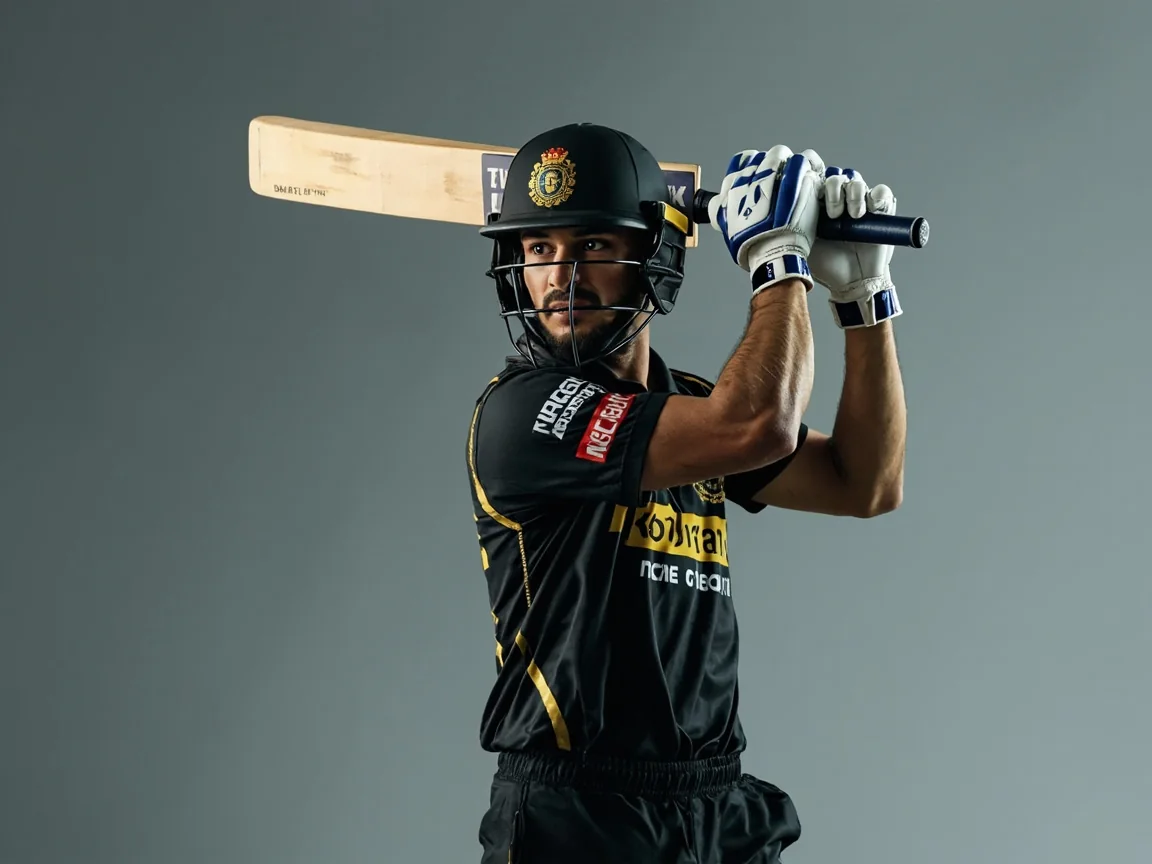
Editorial cutout of a hard-hitting finisher in side profile, bat raised above the shoulder, soft studio backdrop.
Finisher captain

Death-overs upside, dismissal risk tagged.

Best when the chasing side's expected run-rate in the last five overs is over 11. Risk is dismissal mode when going for the big shot; reward is the cleanest six-per-ball number on the card.

11.0+
Required RR
192.7
Death-overs SR
0.71
Six-per-ball
CH 04 · Live desk

What's moving on the toss, lineup and injury feeds — filed in order.

A short chronological read of the desk's most recent notes on tonight's fixtures. Editorial polling, no auto-text, no chatbot.

16:42 IST

RCB vs LSG · toss pending

Both captains have signalled bowl-first at the toss window; dew window opens after 7 overs. Sixer will tag the toss outcome in CH 04 once the official feed files the call.

15:55 IST

CSK vs SRH · pitch report added

Track report confirms grip and turn from the practice nets — spin-share at the toss leans two seamers and three spinners in the XI. Stand-by updates from the curator's pre-match note.

14:18 IST

India vs South Africa · playing XI confirmed

India and South Africa have both filed XI sheets at the morning practice window. No late injury movement recorded in the public feeds. Sixer has confirmed the four-bowler + two-all-rounder combination on the ledger.

12:30 IST

Editor's note · boundary map refresh

Boundary map for Eden Gardens refreshed with last week's ODI match data added to the historical baseline. Six-share on the off-side now sits at 0.61, square-leg warm zone steady at 0.31.

10:48 IST

Verified reader-result archive opened

Three verified reader teams added to this week's archive (team names redacted, slots shown). Sixer only publishes entries that contain an entry ID we can cross-reference with our tier records.

CH 04 · Points & price ledger

Six-hitting impact in tonight's points math — what to expect from a boundary share.

Sixer reads tonight's points as the impact a six-hitting finisher actually carries into your team total, not the headline six-fest you see on social.

ActionBase pointsStrike-rate bonusMilestone bonusNotes
Run+1+4 / +8 / +16+4 (50), +8 (100)Strike-rate ladder kicks in above 130 / 160 / 190.
Boundary (4)+4bonus inheritsBoundary counts stack on the run.
Six+6bonus inheritsSix counts as 6 + strike-rate bonus trigger.
Duck (zero)−2Wicket-keeper / batter only.
Wicket (any)+25+8 LBW / Bowled+4 (3-for), +8 (4-for), +16 (5-for)Phase tag affects captaincy weight.
Maiden over+4Counts each maiden over bowled.
Captain multiplier×2Vice-captain ×1.5.

Sixer's ledger lists the action-and-impact rows our editorial reader uses on a given night. Always cross-check against the official points sheet filed by the platform you play on — sixes and strike-rate bonuses are the rows that move most match to match.

CH 05 · Sixer app access

Open the matchday desk — through the first-party route.

Today's fantasy-cricket workflow begins from the Sixer desk. The Get Started button below resolves through our first-party access route — the same route the desktop, mobile and tablet CTAs all use.

Access today's matchday desk

The first-party route gives you today's fixture list, captain picks, six-hitting math and points ledger on a single page — same data the Sixer editorial team reads from. Eligible readers in permitted Indian states only.

First-party route 18+ only State eligibility applies No deposit here
CH 05 · Offer verification

Check what a welcome offer actually means before you sign up.

Sixer doesn't write welcome offers. The rows below show what kind of terms to look for when you sign up to any fantasy-cricket platform, so you can read the small print yourself.

Welcome offer Verification timestamp · 16:42 IST
TermWhat it meansWhat to check
Bonus creditSite credit added after first deposit / first contest entry. Read the minimum deposit row before you click.
Wagering multipleNumber of times the bonus must be played before withdrawal.High multiples reduce real value.
Expiry windowDays you must use the credit before it lapses. Note the day-count and tournament schedule.
Eligible contestsWhether the bonus works in any contest or only specific entry tiers.Verify before locking the bonus to a single format.
State eligibilityBonus validity in your home state.Read the state-list. Andhra, Telangana, Assam, Odisha, Sikkim, Nagaland, Meghalaya and Tamil Nadu have specific notices in some formats.
KYC requirementPAN + Aadhaar / OVD before withdrawal. Standard, but the order of checks varies.

Sixer is not the platform offering any welcome bonus. The point of the offer ledger is to give you a vocabulary to read any offer you encounter on a fantasy-cricket platform yourself.

CH 05 · Verified reader-result archive

The teams we can prove, on the dates we say.

Sixer only publishes entries it can cross-reference. Player names redacted to the entry ID; tournament, slot, finish and date retained. No anonymous claims, no social screenshots.

Editorial still of a cricket scorecard notebook open on a wooden press-table beside a half-drunk cup of tea.

League A · week 11 leaderboard

Three verified entries under entry IDs SYR-1184, SYR-1190 and SYR-1202 reached the public top-100 in the second flagship tournament of the season.

Filed 24 May 20263 entries
Editorial photograph of an empty stadium concourse at golden hour.

Tri-series · opening round

Two verified entries in the opening tri-series round using the Captain Path B playbook (all-rounder × 1.5). Notes published with finish rank and contest tier.

Filed 9 Jul 20262 entries
Editorial photograph of a captain and coach at the toss area.

India vs South Africa · 2nd T20I

One verified entry in the reader-result archive for the 2nd T20I, sourced from the contest tier the Sixer desk tracked on the day. No speculation on the third.

Filed 21 Jul 20261 entry
CH 05 · State eligibility & responsible play

Where you can play — and where our editorial coverage applies.

Sixer covers the editorial matchday desk for fantasy-cricket readers in India. Where a state has a specific notice or where play is restricted, we say so explicitly.

Editorial coverage

Read first

Sixer's editorial cricket desk is informational only. Sixer does not run a contest, does not hold a stake or a wallet, and does not facilitate entry. The desk exists to give readers a matchday utility view.

18+

Age

Real-money fantasy formats require 18+. This site is not for under-18 readers and we do not knowingly collect information from them.

State notices

Where restrictions apply

Several Indian states run specific rules on paid fantasy formats. Sixer's editorial desk coverage remains; verify the state-list of the platform you play on — Andhra Pradesh, Telangana, Assam, Odisha, Sikkim, Nagaland and others surface specific notices.

Responsible play

Set your limit

If you play real-money fantasy formats, decide a budget before you pick. Take breaks; do not chase losses. If the format stops being fun, stop. The national helpline 14446 is reachable for gambling-related support, alongside Vandrevala Foundation and iCall.

CH 06 · Matchday questions

Short answers to the questions the desk hears most.

Plain-language, no SEO filler. If your question isn't here, write to the desk at the address on the colophon.

What is Sixer?
Sixer is an editorial matchday-utility desk for fantasy-cricket readers in India. We publish fixtures, captain picks, six-hitting math, points ledger and verified reader-result archives. The first-party app route is the link readers use to open their own fantasy account — Sixer is not the platform.
Does Sixer run a paid contest?
No. Sixer does not run a contest, does not hold a wallet, and does not collect entry fees. Sixer is an editorial desk; the Get Started button routes to the platform's first-party access URL so you can open an account if you choose.
How does the desk verify a captain pick?
Every recommendation on the desk carries a source stamp, an update time, and the boundary / phase data behind it. The desk reads four sources per fixture and tags the rows in the chapter ribbon. If a number moves, the row moves; we don't quietly rewrite history.
What is the boundary map?
The boundary map is a working sketch of the venue's six-zone distribution — off-side, square-leg, mid-wicket, long-on / long-off. It is not a venue blueprint; it is the share of sixes each zone has historically cashed on that ground, layered with tonight's dew and pitch notes.
What states does the editorial desk cover?
Sixer's editorial coverage is pan-India. The state-eligibility band is about whether a paid format a reader chooses to enter accepts players from their state — that's a question for the platform you play on, not Sixer.
Where do I send a correction or a tip?
Use the address on the methodology colophon — [email protected]. The desk publishes dated corrections on the same URL and never silently rewrites a published note.
Why does Sixer show player names without sponsor marks?
Because the editorial photos on the desk are generated for layout readability, not to imply a sponsor relationship or an endorsement. Any commercial relationship a reader enters into is between the reader and the platform operator — not with Sixer.
CH 06 · Methodology & contact

How the desk is built — and how to reach the editorial cricket team.

A short note on the methods and a single, real contact address. Sixer does not operate a customer-care desk for a third-party platform.

Editorial still of an empty park bench beside a quiet cricket oval at dusk, single floodlight tower off in the distance.
Methods

What the desk reads on a matchday

Editorial sources we read on a single T20 matchday include the official tournament broadcaster's site, two team-association press releases and at least one independent cricket statistician. A number only enters a note after we can name the source.

Source-first reporting
Dated corrections on the same URL
No invented statistics
Editorial cutout of a wiry off-spinner in a relaxed pose, soft studio backdrop.
Contact the desk

Corrections, tips and reader mail

The desk reads corrections and tips at [email protected]. For partnership queries, please write to that address — neither box is a customer-care channel for the platform you play on.

Open corrections log on every page
Reply within the next matchday window
Editorial photograph of a powerplay drive for the contact desk card.
Editorial scope

What the desk does not do

Sixer does not run contests, does not hold wallets, does not facilitate entry, does not guarantee returns and does not offer investment advice. The first-party access route is a single navigation link to the platform a reader uses to open their own account.

No promises of returns
No customer-care role
No third-party data resale
CH 03 · Match-day reading rhythm

The reading rhythm that runs a Sixer matchday.

Sixer's editorial reading rhythm is the chapter rail the desk operates under. Reading the rhythm means walking the chapter rail before walking the page.

Editorial cutout of a left-handed middle-order anchor in a confident stance.
Reading step

Step 01 — orient with the chapter rail.

The chapter rail in the hero carries the chapter numbers, the match phase, the update time and the source status. Walk the rail before you walk the page.

Editorial cutout of a wicketkeeper-batter in a confident stance, soft studio backdrop.
Reading step

Step 02 — read the boundary map.

The boundary map sits on the page as a working sketch of one of tonight's venues. Cross it with the boundary notes on the tournament calendar before you make a captain call.

Editorial photograph of a quiet pitch under evening light for the boundary map illustration.
Reading step

Step 03 — read the captain tiers.

The captain rail splits the captain call into opener / all-rounder / finisher tiers. The tier is the data's lean, not a score.

Editorial still of a cricket journalist's desk — captain-tiers card.
Reading step

Step 04 — read the live desk.

The live desk is a chronological note stream. The newest entry sits at the top; older entries move down. The desk does not delete; the timeline grows.

Editorial close-up of an open scorecard notebook on a wooden press table for the points-ledger reading step.
Reading step

Step 05 — read the points ledger.

The points ledger rows live in the page. Reading the rows means knowing which rows move a captain call, and which rows move a tier upgrade.

Editorial photograph of a middle-overs on-drive — points-ledger card.
Reading step

Step 06 — read the responsible-play rule.

Reading the responsible-play rule is reading the editorial framework. Set the budget, take breaks, do not chase losses; the rule belongs to the reader.

CH 04 · Reader's reading checklist

The reading checklist the desk publishes for every matchday.

A short checklist for reading the desk on a single matchday. Sixer publishes this checklist on every fixture page so the reader knows the editorial anchors the desk carries.

Open the rail

The chapter rail is the editorial anchor. Walk the rail before you walk the page.

Read the boundary map

The map is the working sketch; reading the boundary zones tells you what the venue rewards.

Read the captain tier

The tier is the data's lean. Reading the tier tells you where the captain call leans.

Read the points ledger

The ledger rows are the editorial vocabulary. Reading the rows tells you which rows move a captain call.

Read the live desk

The timeline grows; older entries move down. Reading the live desk means reading the chronological note stream.

Read the responsible-play rule

Set the budget. Take breaks. Do not chase losses. Stop when it stops being fun.

CH 06 · The first-party access route in plain language

How the first-party access route works.

Sixer resolves the Get Started button through a single URL maintained by the platform you choose. Reading the access route means understanding where the editorial relationship ends and the financial relationship begins.

One URL across the site

Sixer resolves every Get Started button — desktop header, mobile drawer, sticky CTA — through a single URL.

Editorial rel attribute

The link is rel="sponsored nofollow noopener noreferrer"; the rel attribute declares the editorial-policy nature of the relationship.

Reader-side only

Sixer does not insert an intermediate landing page between the reader and the platform. The route resolves to the platform's own infrastructure.

Optional in policy pages

The state eligibility, responsible play and terms pages expose the route as a single CTA only. A reader can read the desk without ever clicking it.

CH 06 · Sourcing layer in plain language

The sourcing layer the desk operates under.

Sixer reads the editor's sourcing layer as a reading flow: source-first, source-named, source-cross-referenced. Reading the layer means understanding how a number reaches a desk note.

Step 1

Source-named

The desk reads from a named source list per matchday. The list is published on the methodology page.

Step 2

Source-cross-referenced

The desk cross-references each number against at least one of the named sources before publishing the note.

Step 3

Source-stamped

Each note carries the source name on the same line as the number; the corrections log carries the dated corrections.

Step 4

Source-archived

The editorial record carries each note and each correction publicly; the desk does not silently rewrite history.

CH 06 · The internal links that hold the desk

Reading the internal links that hold the desk.

Sixer uses the internal-link block to keep the matchday desk connected to the field-guide pages, the methodology note and the corrections log.

From the homepage

The hero chapter rail, the fixture ribbon, the captain rail and the points ledger all link to the field-guide pages and the rule-reading pages.

From the field-guide pages

Each field-guide page links to its related pages, the sibling reading lanes and the methodology note. The internal link is the editorial framework.

From the rule-reading pages

Each rule-reading page links to the related topic, the methodology note and the corrections log. The internal link is the editorial anchor.

From the methodology

The methodology note links to the source list, the editorial framework and the corrections log. The internal link is the editorial accountability.

From the corrections

The corrections log links to the dated correction and the source URL. The internal link is the editorial anchor.

From the footer

The footer links to the field-guide pages, the company pages, the sitemap and the robots file. The internal link is the site framework.

CH 06 · Editor's reading notes

Editor's reading notes.

A few short notes from the editorial desk on how to read the publication. Reading the notes means reading the editorial record.

Editorial cutout of a wicketkeeper-batter for the corrections log card.
Editor's note

Reading the chapter rail.

The chapter rail sits in the hero; reading the rail means walking the rail before walking the page. The rail carries the chapter number, the phase tag, the update time and the source status.

Editorial photograph of a quiet empty cricket stadium stand at golden hour for the captain rail card.
Editor's note

Reading the captain rail.

The captain rail splits the captain call into opener / all-rounder / finisher tiers. Reading the rail means knowing what the data leans toward — without taking a score as a guarantee.

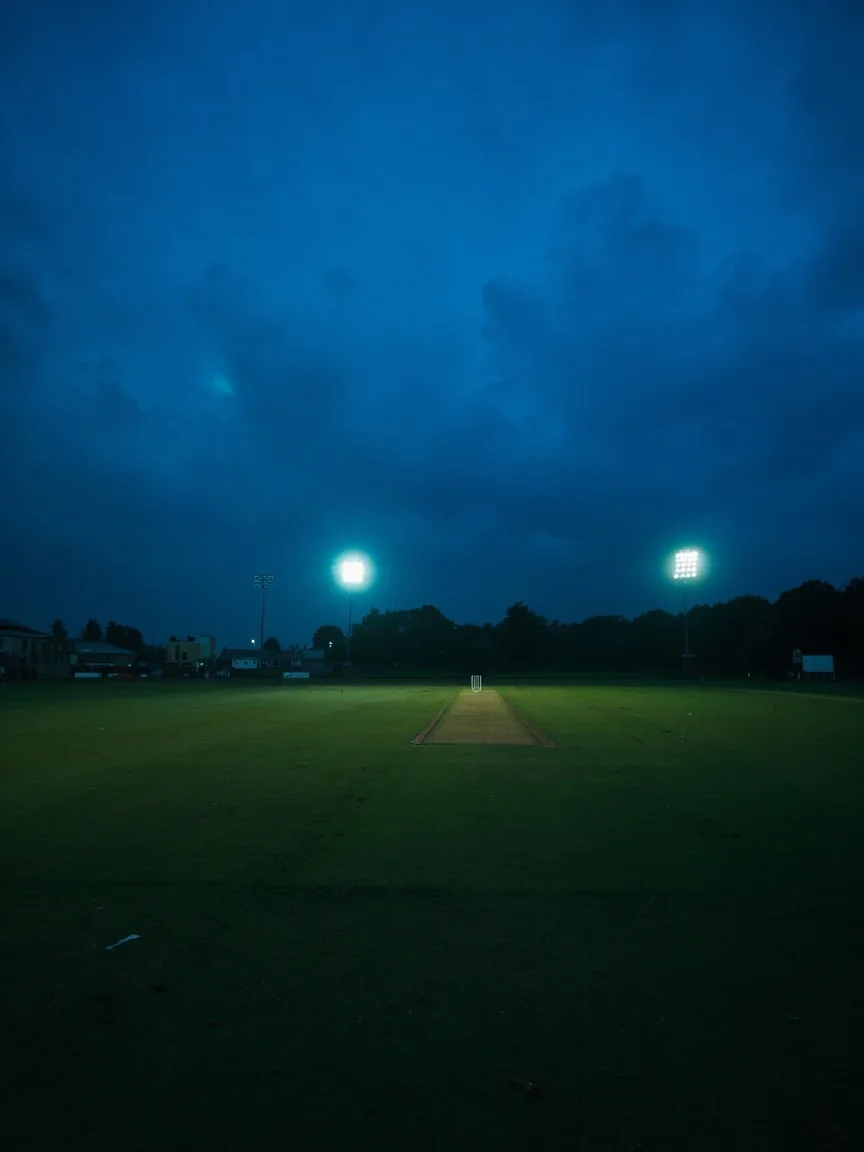
Editorial photograph of a quiet empty cricket pitch under cool evening floodlights for the responsible-play rule card.
Editor's note

Reading the responsible-play rule.

The rule is plain and belongs to the reader. Set the budget; take breaks; do not chase losses; the rule is the editorial anchor.

CH 06 · The reader-tier language

Reading the reader-tier language.

Sixer reads reader tiers as the editorial bridge between the captain call and the platform action. Where a reader enters the captain call on a fantasy-cricket platform, the platform's tier language may differ; read both.

A

Open tier

The open tier is the working read for first-time readers — the chapter rail, the boundary map, the points ledger and the FAQ.

B

Standard tier

The standard tier covers the same editorial surface plus the captain rail and the live desk.

C

Reading tier

The reading tier carries the methodology page, the corrections log and the boundary map notes.

CH 06 · The matchday chapters

Reading the matchday chapters.

Sixer's editorial scope runs through six working chapters: orient, source integrity, fixtures and venues, player decisions, app and eligibility, methods and contact.

01

Orient

The day's editor's note and the chapter rail. Reading the orient chapter means walking the rail first.

02

Source integrity

The verification promise and the source layer the desk operates under.

03

Fixtures & venues

The tournament calendar, the venue reads and the boundary map.

04

Player decisions

The captain rail, the live desk and the points ledger.

05

App & eligibility

The app access checkpoint, the welcome-offer vocabulary and the state eligibility.

06

Methods & contact

The methodology page, the corrections log and the editorial contact mailbox.

CH 06 · Reading the publication's archive

Reading the publication's archive.

Sixer publishes a public archive of the editorial notes and corrections. Reading the archive means walking the chronology of the desk's working day.

Editorial photograph of a single empty wooden park bench beside a quiet oval cricket ground at dusk — publication archive card.

Editor's archive

The editor's archive carries the dated notes the desk has shipped; reading the archive is reading the editorial record with the corrections log open.

Updated 27 Jul 2026Filed
Editorial photograph of an empty international cricket stadium pavilion exterior in daylight for the corrections log card.

Corrections log

The corrections log is the editorial anchor for the publication's accountability; reading the log means reading the desk's dated corrections.

OpenPublic
Editorial photograph of a death-overs six for the corrections log card.

Editor's mailbox

[email protected] is the desk's single mailbox. Reading the mailbox window means knowing the desk's reply window is the next matchday.

Within two working daysEditorial
PLAY NOW
First-party route · 18+ · state eligibility applies